
Designing a Design System UI Kit for An AI-Powered Predictive Chatbot
Designing a Design System UI Kit for An AI-Powered Predictive Chatbot
Designing a Design System UI Kit for An AI-Powered Predictive Chatbot
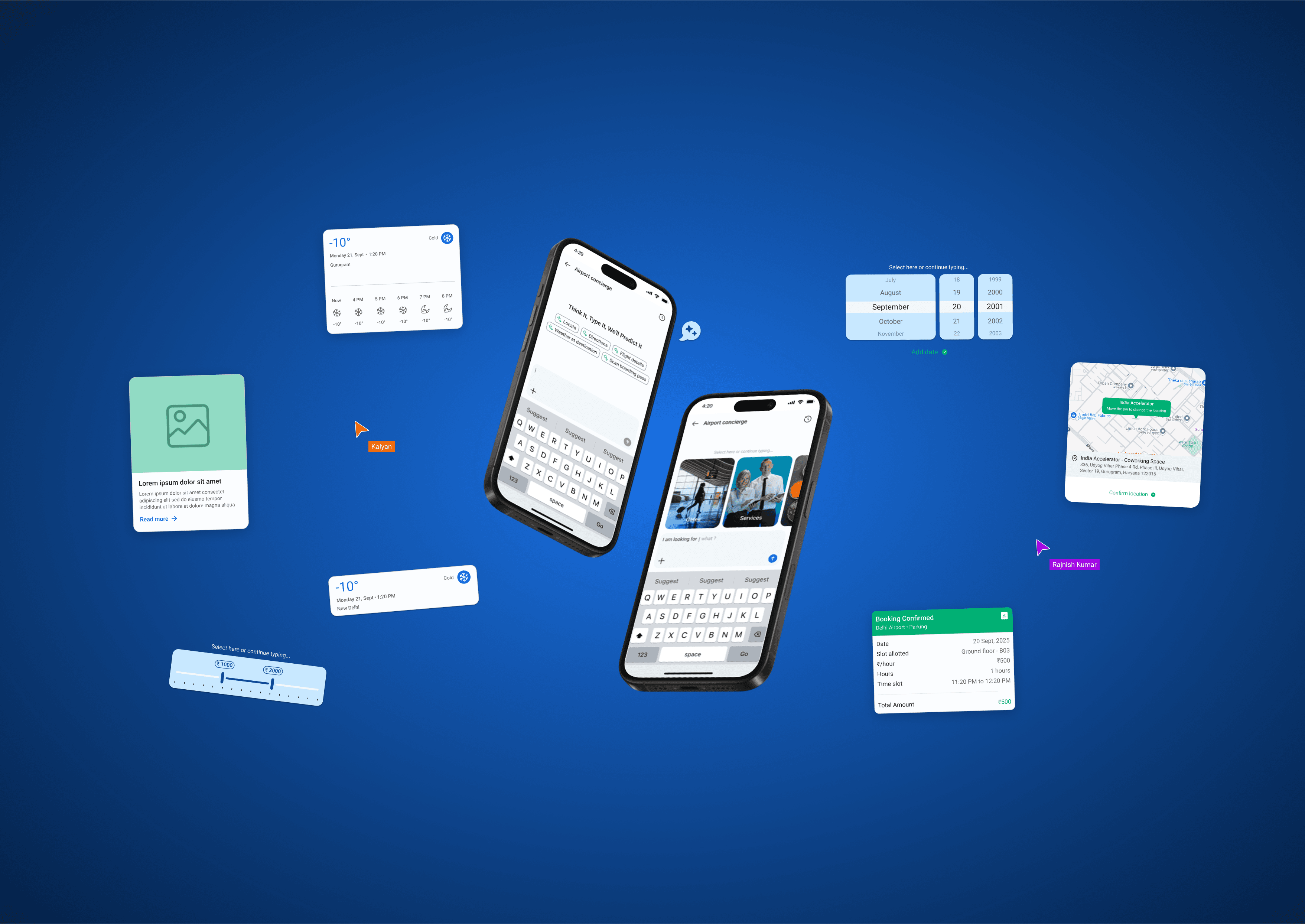
Conversational UI
Conversational UI
LLM Chatbot UI Kit
LLM Chatbot UI Kit
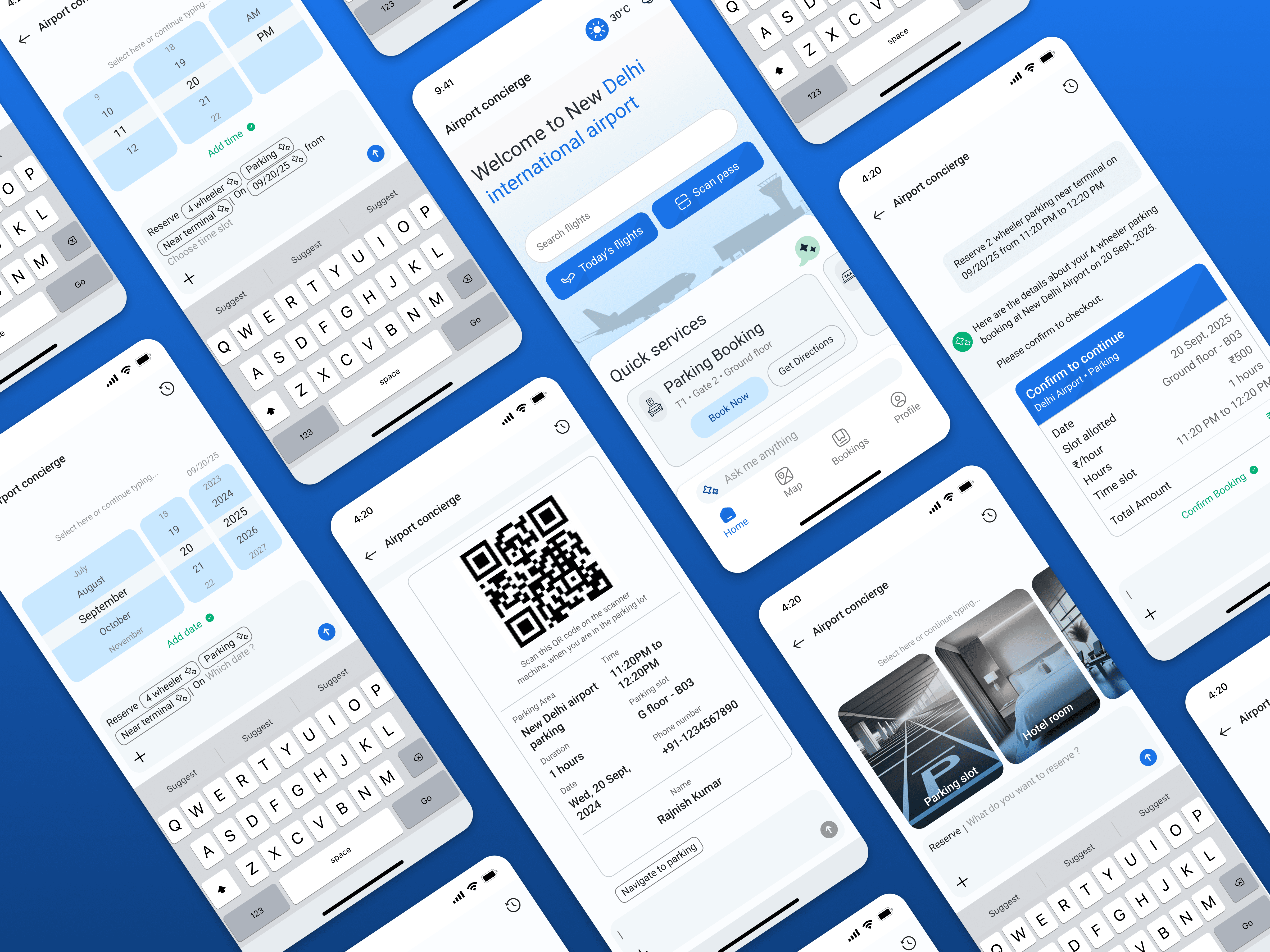
Concierge App
Concierge App
Timeline
Timeline
3 months
3 months
Team
Team
Me, CEO, AI & ML Engineer
Me, CEO, AI & ML Engineer
Tools
Tools
Figma
Figma
01
About the project
About the project
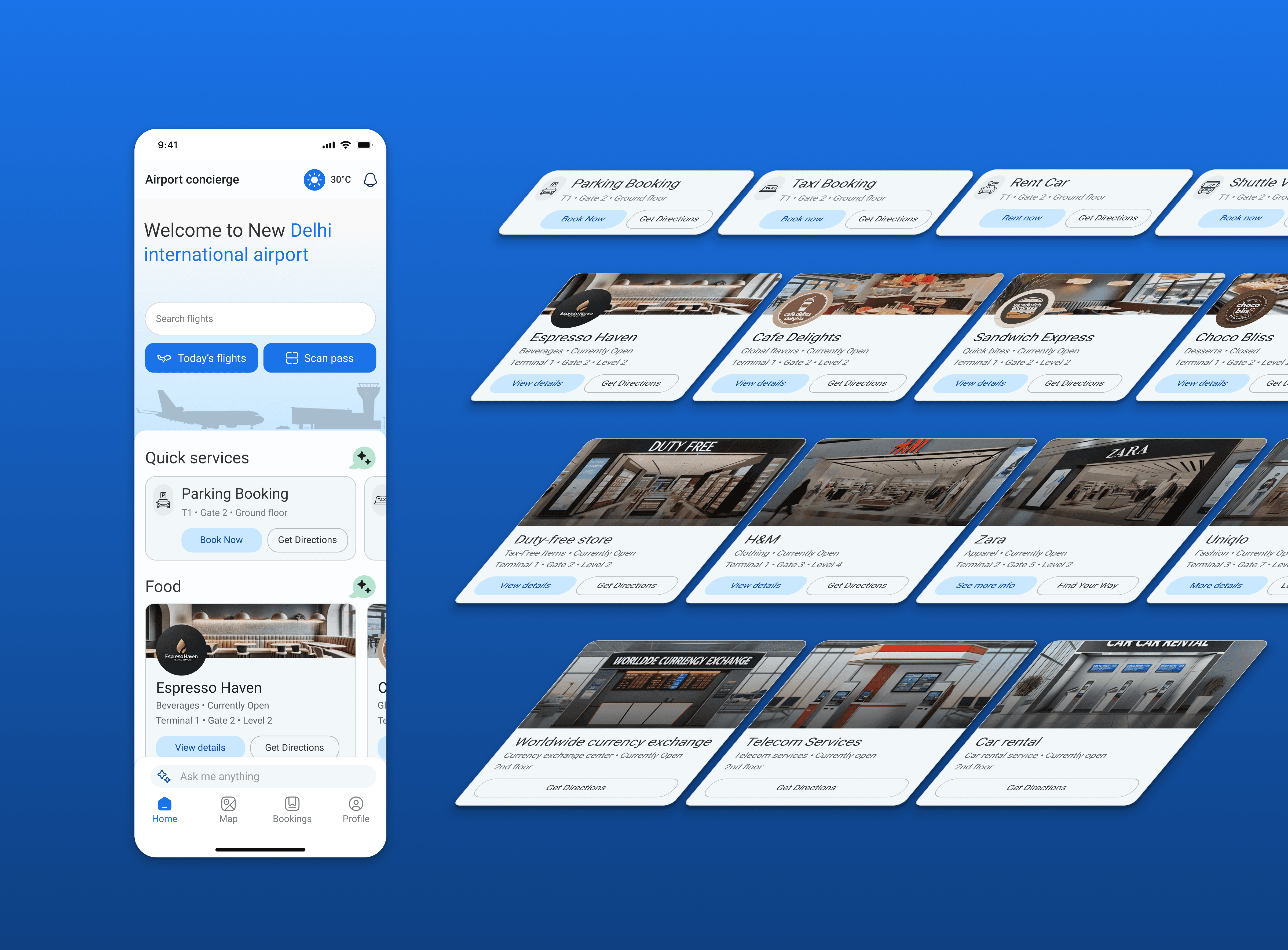
As a product designer at Mrikal, I spearheaded the development of the Predictive LLM Chatbot UI Kit, an open-source design system available on Product hunt tailored for creating intelligent, AI-powered conversational interfaces. This toolkit is specifically crafted to address the unique needs of the aviation industry, aiming to enhance passenger experiences and streamline airport operations through conversational AI chatbot.
As a product designer at Mrikal, I spearheaded the development of the Predictive LLM Chatbot UI Kit, an open-source design system available on Product hunt tailored for creating intelligent, AI-powered conversational interfaces. This toolkit is specifically crafted to address the unique needs of the aviation industry, aiming to enhance passenger experiences and streamline airport operations through conversational AI chatbot.
Key Takeaways
Key Takeaways
AI-driven design requires anticipating user intent
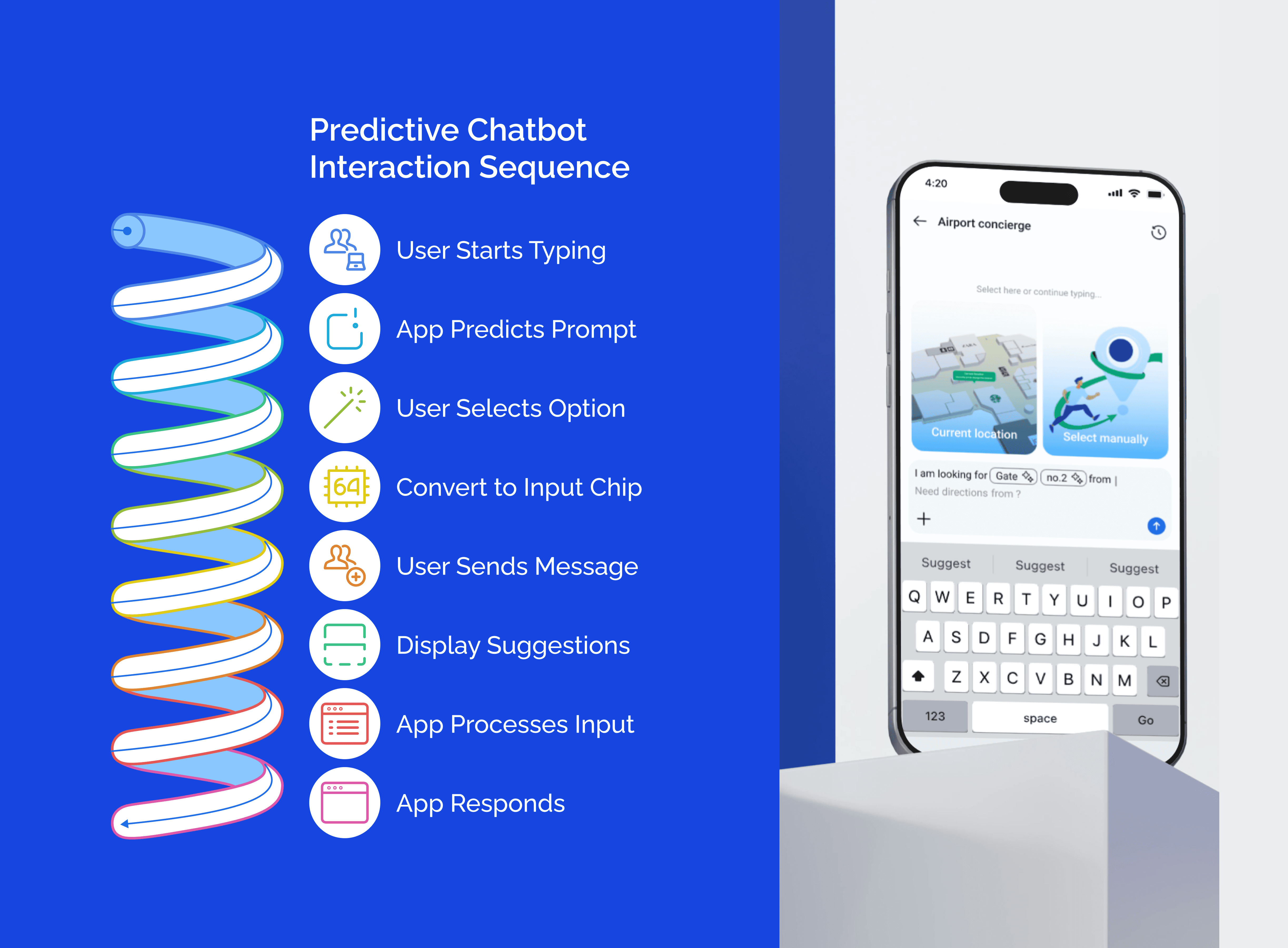
Designing for predictive chatbot interfaces taught me to think beyond traditional conversational UI patterns. I learned to design components that don't just respond to user input but actively guide conversations through predictive prompts and adaptive suggestions. This required understanding AI behavior patterns and creating interfaces that make LLM responses feel natural and intuitive rather than robotic.
Design systems enable scalability across industries
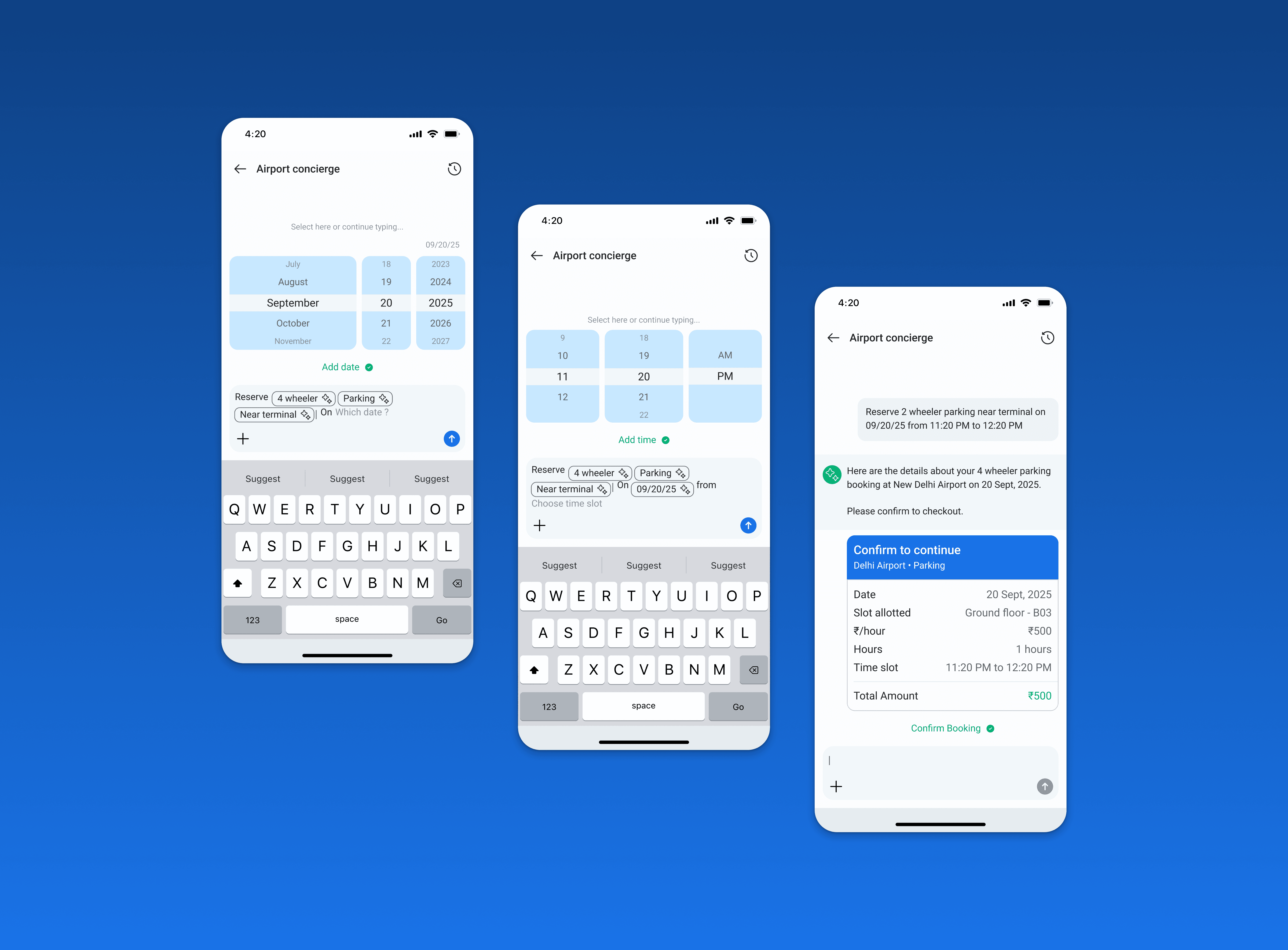
Building 150+ customizable components taught me the power of systematic design. By creating flexible, variant-based components (33 list variants, multiple date/time pickers), I learned to design for adaptability rather than specific use cases. This approach allowed the same UI kit to serve aviation industry—a valuable lesson in building systems that scale beyond initial requirements.
AI-driven design requires anticipating user intent
Designing for predictive chatbot interfaces taught me to think beyond traditional conversational UI patterns. I learned to design components that don't just respond to user input but actively guide conversations through predictive prompts and adaptive suggestions. This required understanding AI behavior patterns and creating interfaces that make LLM responses feel natural and intuitive rather than robotic.
Design systems enable scalability across industries
Building 150+ customizable components taught me the power of systematic design. By creating flexible, variant-based components (33 list variants, multiple date/time pickers), I learned to design for adaptability rather than specific use cases. This approach allowed the same UI kit to serve aviation industry—a valuable lesson in building systems that scale beyond initial requirements.
Explore More Projects


Like What You See?
©
Rajnish Kumar
2026
Like What You See?
©
Rajnish Kumar
2026
Like What You See?
©
Rajnish Kumar
2026